
Covert maneuver by Arévalo: attempted diplomatic sabotage and its potential consequences

Information obtained from sources with direct knowledge of the process indicates that the president of Guatemala, Bernardo Arevalo may have deliberately attempted to interfere with the confirmation of President Trump’s designated ambassador to Guatemala, Juan Rodriguez in what is already shaping up to be one of the most reckless, and potentially damaging, moves for the bilateral relationship with the United States in recent years.
The operation, described by sources as a “carefully staged trap,” allegedly involved sending his private secretary, Ana Glenda Tager, to request and secure a private meeting with the ambassador-designate, Juan Rodriguez. This was not an innocent misstep. There is a well-understood, strictly observed diplomatic norm prohibiting such contact prior to official confirmation, precisely to prevent undue influence, political manipulation, or procedural compromise.
What is more revealing is not just the maneuver itself, but the context surrounding it. Coincidentally, or perhaps too conveniently, US media outlets openly hostile to the Trump Administration, were reportedly prepared to expose the meeting, a development that would have almost certainly derailed Juan Rodriguez’s confirmation as ambassador. This does not read as a protocol misstep. It reads as a setup.
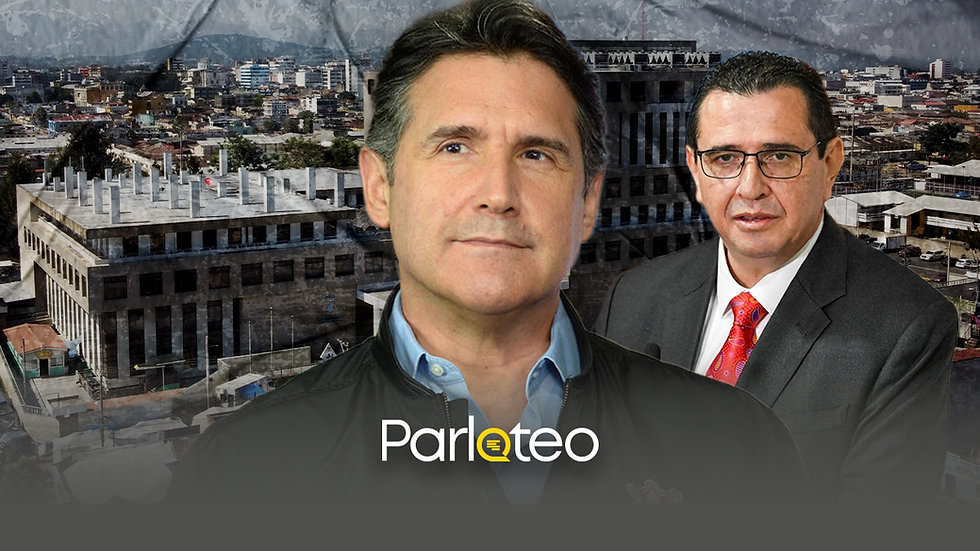
Within this framework, multiple sources point to Edgar Gutierrez as the primary architect of the operation, with financial backing attributed to Guatemalan businessman, Dionisio Gutierrez. If substantiated, this would go beyond internal political maneuvering and enter the realm of direct interference in federal processes of a foreign government, a line rarely crossed without significant consequences.
At that point, the matter ceases to be merely diplomatic. According to the information received, the Department of State has initiated a preliminary inquiry to assess whether there was a conspiracy to obstruct a federal process or potentially defraud the U.S. government. Under that lens, Ana Glenda Tager could face personal liability if it is determined that she acted with awareness of the nature and intent of the operation.
The most serious scenario emerges if Ana Glenda Tager is found to have acted under direct instructions from Bernardo Arévalo. In that case, this would no longer be an isolated incident, but rather an institutional act with far-reaching implications for the bilateral relationship.
Guatemala is not in a position to operate at this level of risk. Especially when the consequences extend far beyond headlines, into sanctions exposure, diplomatic isolation, and a measurable loss of strategic credibility.

Comments